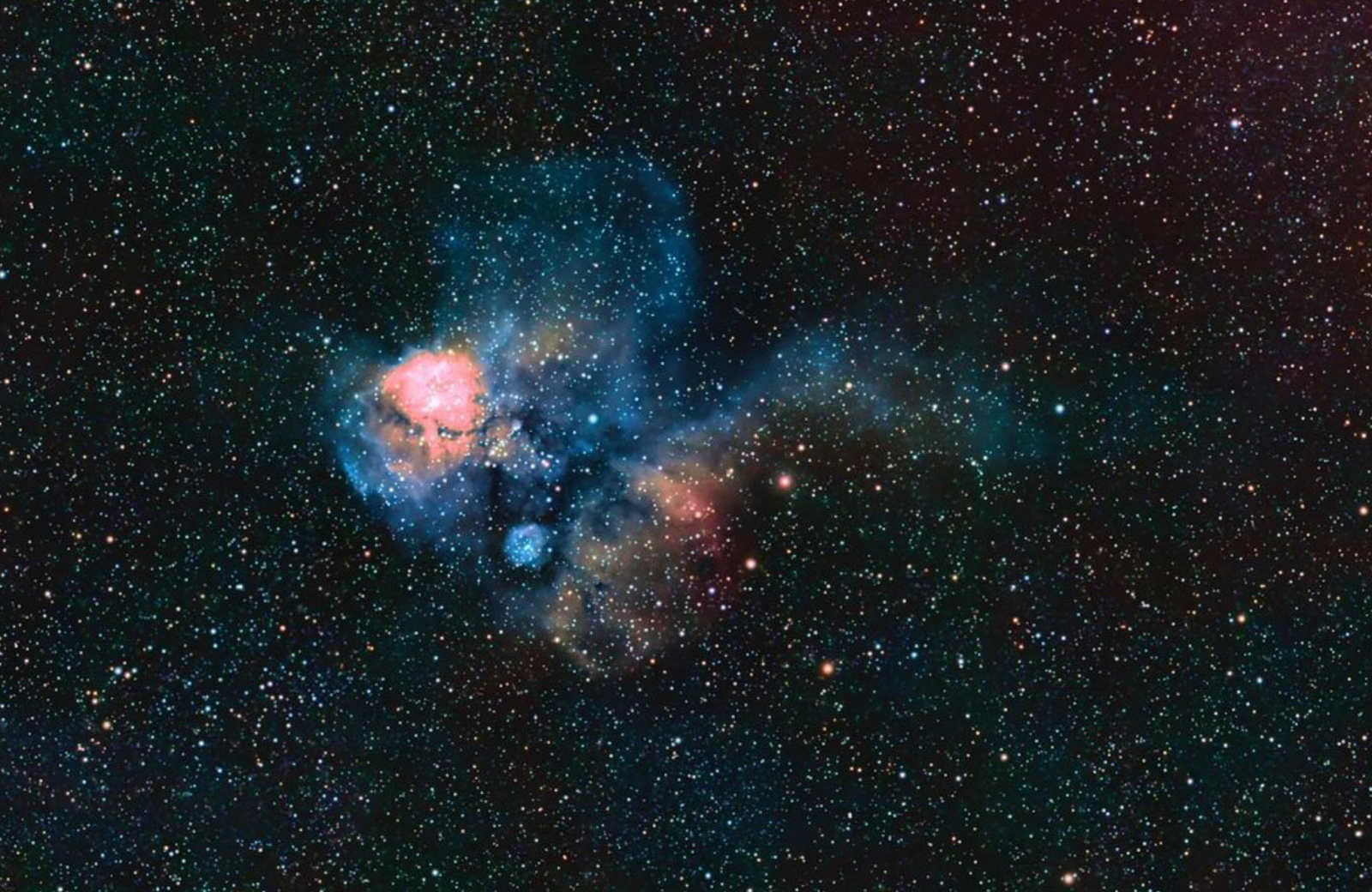
Located around 38º north latitude, the Azores deliver a distinctive stargazing experience: extremely dark skies, open ocean horizons, and long nights for extended observation. In 2026, the archipelago stands out for travelers seeking pristine conditions far from mass tourism.
The combination of low light pollution, maritime air, and wide horizons makes the Azores ideal for meteor watching, lunar eclipses, and deep-sky observation, especially from the sea. Next you can find a complete sky guide for this year on the Azores, including the top astronomical calendar events for travellers.
Meteor showers visible from the Azores in 2026
Perseids (August)
Clearly visible, though with a lower radiant than in the Canary Islands. In exchange, meteors remain above the horizon for longer periods, extending observing windows.
Leonids (November)
Particularly interesting from this latitude, with fast meteors and favorable geometry over the Atlantic.
Geminids (December)
One of the highlights of the year. Long, dark winter nights create excellent conditions for prolonged observation sessions.
Unlike Madeira, meteors in the Azores often show more horizontal and longer trajectories, adding visual impact to each event.
Planets and deep-sky observing
From the Azores, planets rise slightly lower than at more southern latitudes. However, the exceptional sky quality compensates with crisp, high-contrast views.
Jupiter and Saturn remain visible for many hours, while dark skies enhance nebulae, star clusters, and the Milky Way.
This makes the Azores especially appealing for astrophotography and naked-eye deep-sky observing.
Eclipses and lunar observation
Lunar eclipses are particularly spectacular when observed from open water. With no obstacles and virtually no light pollution, the Moon’s color changes and shadow transitions appear exceptionally clear against the ocean horizon.
Sailing, isolation, and dark skies
The Azores archipelago is perfect for voyages far from populated areas, where artificial light is almost nonexistent. It is also a historic stopover for sailors completing the classic “tornaviaje” from the Americas back to Europe—an essential recalada to rest, resupply, and prepare for the final Atlantic crossing.
For astronomical travelers, this nautical tradition translates into some of the darkest and cleanest skies in the North Atlantic, making the Azores a true reference for immersive sky experiences in 2026.
If you wish to fully experience the wonders of the sky in the Azores, make sure to check our stargazing experiences here.