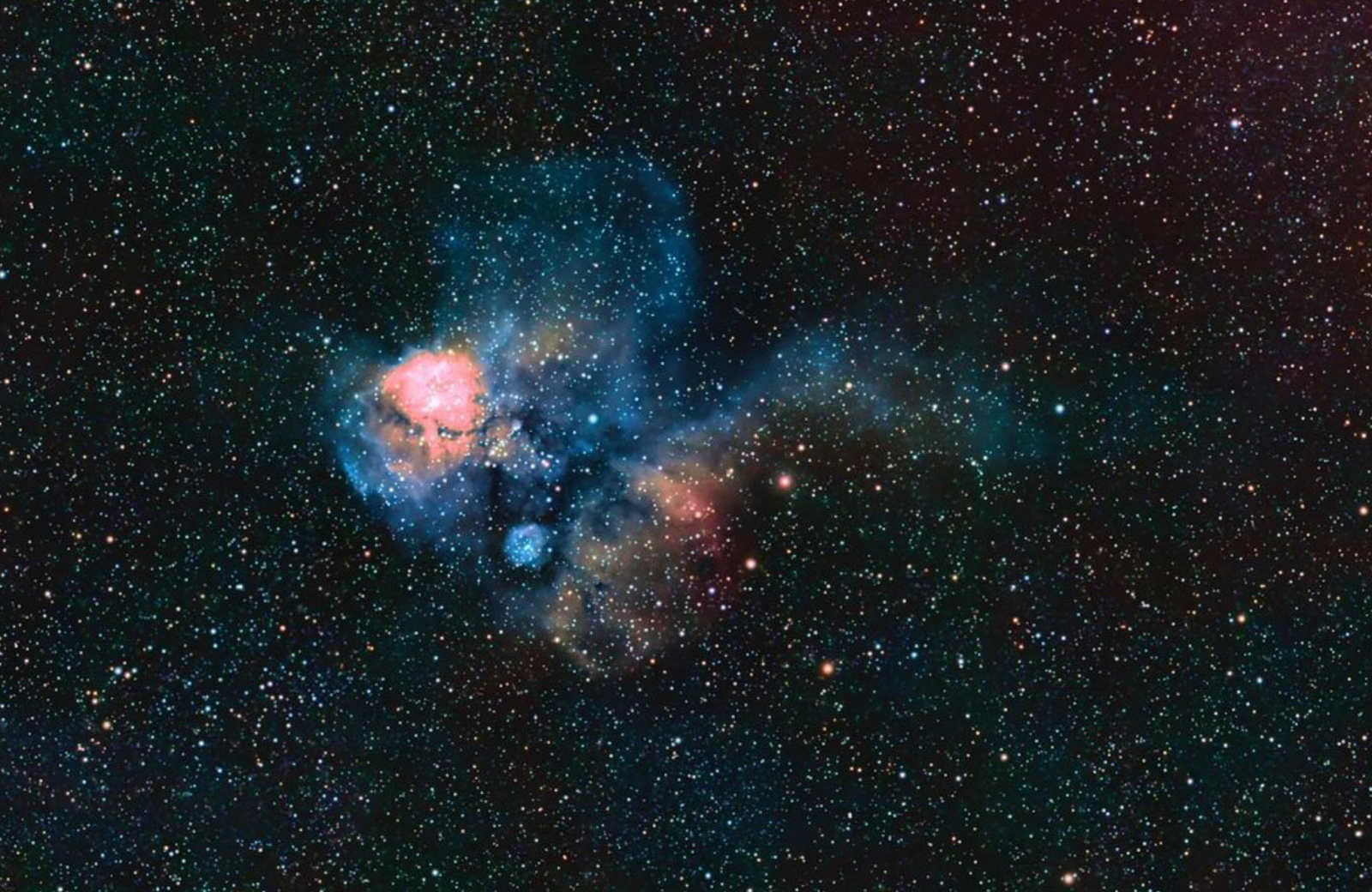
The Azores, a remote Portuguese archipelago in the heart of the Atlantic, are often described as Europe’s hidden paradise. Famous for volcanic craters, emerald-green lakes, and untouched nature, these islands reveal a second secret after sunset: some of the clearest night skies in Europe.
Thanks to their location, far from major cities, and their strong commitment to sustainability, the Azores are emerging as one of the best places for astrotourism. Here, stargazing is not just about the sky, it’s about connecting sea, land, and cosmos.
Now travelers can now enjoy astronomy and sailing experiences across the islands, combining culture, science, and eco-adventure.
But what are the top stargazing spots in the Azores? Let’s find out, as this guide will show you:
- The best stargazing spots in the Azores
- Why the islands are a dark sky hidden gem
- How to combine stargazing with whale watching
- Seasonal sky highlights for every part of the year
The Nine Islands of the Azores
The archipelago is made up of nine main islands, grouped into three clusters, each with its own unique charm and stargazing potential:
Eastern Group
- São Miguel – the largest island, with vibrant Ponta Delgada and crater lakes like Sete Cidades.
- Santa Maria – sunny and dry, famous for golden sand beaches.
Central Group
- Terceira – home to Angra do Heroísmo, a UNESCO World Heritage city.
- Graciosa – nicknamed “the white island,” small and tranquil.
- São Jorge – long and mountainous, known for its dramatic coastal fajãs.
- Pico – dominated by Portugal’s highest mountain (2,351 m), a natural observatory.
- Faial – a historic Atlantic port; Horta is famous among sailors for its marina murals and Peter Café Sport, a legendary stop for transatlantic navigators.
Western Group
- Flores – a UNESCO Biosphere Reserve with waterfalls and volcanic lakes.
- Corvo – the smallest and most remote island, with only ~400 inhabitants, also a Biosphere Reserve.
- Each island offers unique backdrops for stargazing, from crater lakes to coastal cliffs and open ocean views.
Why the Azores Are a Hidden Gem for Stargazing
The Azores bring together perfect conditions for astronomy lovers:
- Prime location: isolated in the Atlantic, far from light pollution.
- Clean skies: limited development and eco-tourism policies preserve the dark skies.
- Mild oceanic climate: fresh, stable nights year-round.
- Natural diversity: mountains, cliffs, and wide Atlantic horizons make for unforgettable stargazing settings.
For those seeking alternatives to crowded dark-sky destinations, the Azores are a true hidden treasure.
Best Stargazing Spots in the Azores
Pico da Vara (São Miguel) – the island’s highest peak, with expansive night views.
Montanha do Pico (Pico Island) – at 2,351 m, Portugal’s tallest mountain and a prime Milky Way viewing point.
Lagoa do Fogo & Sete Cidades (São Miguel) – volcanic lakes surrounded by mountains, a dream for astrophotography.
Flores Island – westernmost island, with pristine skies and the vast Atlantic as a backdrop.
From the Ocean – night sailing in the central Atlantic gives you a sky free of artificial light and a sense of pure cosmic immersion.
Seasonal Stargazing in the Azores
Every season reveals new constellations and celestial shows, and here you can find a stargazing calendar of these islands:
Winter (Dec – Feb)
- Orion and the Orion Nebula, visible to the naked eye.
- Taurus with the Pleiades and Hyades.
- Gemini with Castor and Pollux.
- Sirius, the brightest star in the sky, in Canis Major.
Spring (Mar – May)
- Leo and Virgo dominate.
- Bright Spica and orange-hued Arcturus in Boötes.
- Galaxy season: M51 (Whirlpool) and the Virgo Cluster, ideal for telescopes.
Summer (Jun – Aug)
- The Milky Way stretches brilliantly across the sky.
- Scorpio and Sagittarius mark the galactic center.
- The Summer Triangle: Vega, Deneb, and Altair.
- Meteor showers, especially the Perseids in August.
Autumn (Sep – Nov)
- Andromeda Galaxy (M31), visible without equipment.
- Pegasus and the Autumn Triangle.
- Pisces and constellations tied to the equinox.
- Meteor showers: Draconids and Leonids.
Practical Stargazing Tips for the Azores
Finally, if you would like to enjoy the dark skies of the Azores, here are some useful tips you cannot miss:
- Best time to go: Plan around the new moon for the darkest skies.
- Bring binoculars: Even a small pair enhances clusters and galaxies.
- For photographers: Use a wide-angle lens, tripod, and long exposures to capture the Milky Way.
- Stay flexible: The oceanic climate can change quickly, so have a backup island or spot.
- Local guides: Certified Starlight guides add storytelling, myths, and science to the experience.
The Azores are more than a daytime paradise of volcanoes, lakes, and whales. By night, they transform into an astronomy hotspot, where the Milky Way arcs over mountains and the ocean sparkles with stars.
Whether you want to photograph galaxies, witness meteor showers, or combine whale watching with stargazing, the Azores promise a dark sky experience like no other in Europe.