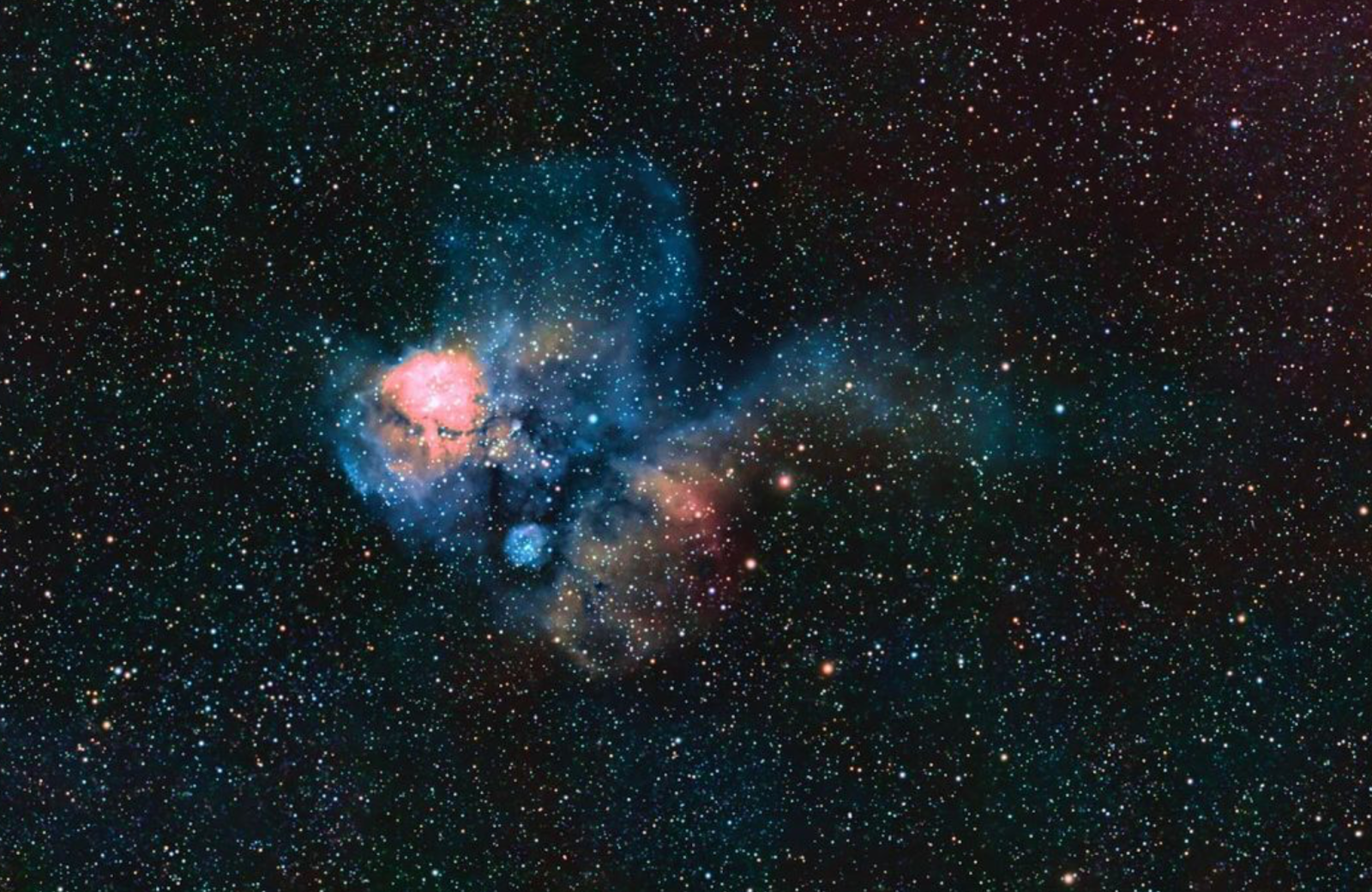
Located at around 28º north latitude, the Canary Islands are widely considered one of the best stargazing destinations in the world. In 2026, this natural privilege is amplified by one of the most important astronomical events of the decade, placing the archipelago firmly on the global astrotourism map.
With high-altitude sites, strict sky-protection laws, and exceptional atmospheric stability, the Canary Islands offer outstanding observing conditions year-round, both from land and from the sea.
Meteor showers visible from the Canary Islands in 2026
Thanks to their more southern latitude, meteor showers appear higher in the sky and remain visible for longer periods:
Perseids (August)
Radiants reach higher altitudes than in Madeira or the Azores, increasing meteor counts and improving overall visibility.
Orionids (October)
Excellent pre-dawn conditions, with favorable geometry and typically clear autumn skies.
Geminids (December)
Visible for more hours throughout the night, offering long observing windows and bright, slow-moving meteors.
Planets in 2026
From the Canary Islands, Jupiter and Saturn climb to very comfortable elevations above the horizon, making them ideal targets for naked-eye observation, binoculars, and small telescopes.
Venus stands out as both a morning and evening star at different times of the year, shining brilliantly over the Atlantic horizon.
The major event of the decade: the 2026 solar eclipse
August 12, 2026 marks a historic date for astronomy lovers.
The Canary Islands will be one of the best locations in Europe to observe the total solar eclipse, attracting international attention and giving a major boost to astrotourism across the archipelago. While the eclipse will be partial in other regions, totality will be visible from parts of the Canary Islands, making them a prime destination for eclipse chasers.
Why choose the Canary Islands over other Atlantic destinations?
Compared to Madeira, the Canary Islands offer:
-
Higher planetary altitudes
-
Longer effective observing time
-
Superior positioning for solar eclipses
These advantages make the archipelago especially attractive for immersive astronomical experiences.
Sailing and astronomy across the islands
Our project currently offers experiences that combine navigation and astronomy in Gran Canaria, Tenerife, and El Hierro—three locations with exceptional skies and dramatic marine horizons.
In 2026, these islands provide a unique setting to experience meteor showers, planetary alignments, and eclipses from one of the darkest and most privileged skies in Europe.
If you wish to fully experience the nights of the Canary Islands, you can check our stargazing experiences there.