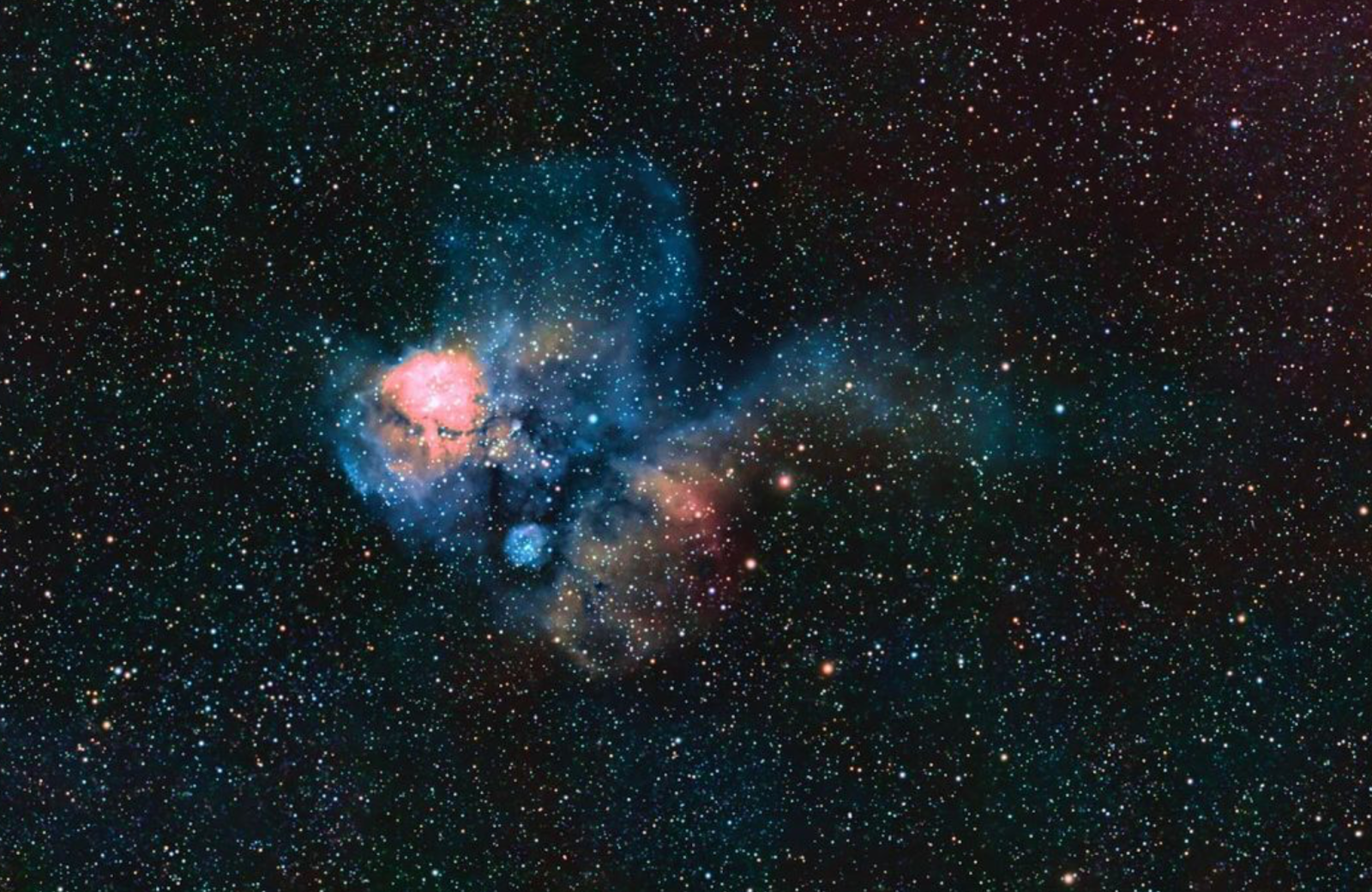
The Canary Islands are world-famous for their subtropical climate, volcanic beaches, and rich biodiversity. But once the sun sets, these islands transform into something even more extraordinary: Europe’s stargazing capital.
Located in the Atlantic, the Canaries enjoy stable skies, protected by pioneering laws, and host some of the most advanced observatories on the planet.
No wonder they are internationally recognized as a leading destination for astrotourism.
But what are the top stargazing spots in the Canary Islands? What are the best times of the year to enjoy their dark skies, and how to enjoy this experience fully?
Next, we answer all these doubts.
Why the Canary Islands Are Europe’s Stargazing Capital
The islands combine unique conditions rarely found elsewhere:
- Perfect location: latitude ideal for viewing constellations of both hemispheres.
- Protected skies: the 1988 Canary Islands Sky Law limits light, atmospheric, and radio pollution.
- Exceptional weather: table skies thanks to trade winds and thermal inversion.
- Scientific infrastructure: home to the Roque de los Muchachos Observatory (La Palma) and the Teide Observatory (Tenerife), both world-class research centers.
This commitment to astronomy has earned the Canaries Starlight Reserve status, placing them on par with Chile and Hawaii. Besides, the Canary Islands host perfect stargazing areas due to their numerous Starlight Reserves.
What Is a Starlight Reserve?
A Starlight Reserve is an international designation that recognizes territories where the night sky is strictly protected and astronomy-based tourism is encouraged. It is based on three pillars:
Legal protection – safeguarding skies from light pollution.
Tourism commitment – integrating stargazing into local experiences.
Education & outreach – making astronomy accessible to all visitors.
The Canary Islands were pioneers in adopting this model, making them a global reference point alongside Chile and Hawaii.
The Canary Islands’ Starlight Reserves
Starlight Reserves are areas with protected night skies and sustainable tourism.
The Canaries are leaders with three major dark-sky sanctuaries:
- Tenerife. Teide National Park: A UNESCO World Heritage Site, offering guided stargazing tours and professional telescopes set against dramatic volcanic landscapes.
- La Palma. The entire island is a Starlight Reserve and a global pioneer in astrotourism. With astronomy viewpoints and the Roque de los Muchachos Observatory, it hosts cutting-edge telescopes like the Gran Telescopio Canarias (GTC).
- Gran Canaria. The island’s highlands are certified as a Starlight Tourist Destination. Spots like Pico de las Nieves and Llanos de la Pez are perfect to watch the Milky Way.
How to Best Enjoy Stargazing in the Canary Islands
The ocean is the perfect partner to the Canarian skies. With a strong nautical tradition, the islands offer unforgettable astronomy sailing trips:
- Sunset sailing followed by night sky observation.
- Constellation spotting from offshore, free from coastal light pollution.
- Astro-navigation experiences combining sailing, astronomy, and marine life watching.
This blend of sea and sky creates a truly immersive astrotourism adventure.
Top 10 Night Activities in the Canary Islands
Besides, here are some ideas to enjoy at night in the different islands:
- Watch the Milky Way from Mount Teide (Tenerife).
- Visit the Roque de los Muchachos Observatory (La Palma).
- Astrophotography night at Pico de las Nieves (Gran Canaria).
- Join guided Starlight tours in La Palma or Tenerife.
- Sail under the stars from Lanzarote or Fuerteventura.
- Enjoy meteor showers like the Perseids in August.
- Go night hiking through volcanic landscapes.
- Attend local astronomy workshops.
- Spot constellations from both hemispheres in a single night.
- Dine outdoors with the stars as your natural dome.
Seasonal Stargazing in the Canary Islands
Thanks to their latitude (27º–29º N), the Canaries are one of the few places in Europe where you can see both northern and southern constellations.
Here is a summarized stargazing calendar:
Winter (Dec – Feb)
- Orion with Betelgeuse and the Orion Nebula (M42).
- Taurus with Aldebaran and the Pleiades cluster.
- Gemini with Castor and Pollux.
- Sirius, the brightest star in the sky.
Spring (Mar – May)
- Leo with Regulus.
- Virgo with Spica.
- Boötes with orange-hued Arcturus.
- Excellent visibility of galaxy clusters like Virgo Cluster.
Summer (Jun – Aug)
- The Milky Way at its brightest.
- Scorpio and Sagittarius, marking the galactic center.
- The Summer Triangle: Vega, Deneb, Altair.
- Highlight: Perseid meteor shower in August.
Autumn (Sep – Nov)
- Andromeda Galaxy (M31), visible to the naked eye.
- Pegasus with its iconic square.
- Pisces and equinox constellations.
- Meteor showers: Draconids (Oct) and Leonids (Nov).
As you can see, the Canary Islands are far more than beaches and resorts. They are Europe’s dark sky capital, where science, culture, and nature align.
From the volcanic peaks of Teide and La Palma to the open Atlantic, every night here invites you to travel beyond Earth and into the cosmos.
If you’re looking for a place where astronomy, eco-tourism, and adventure meet, the Canaries are your stellar destination in Europe.